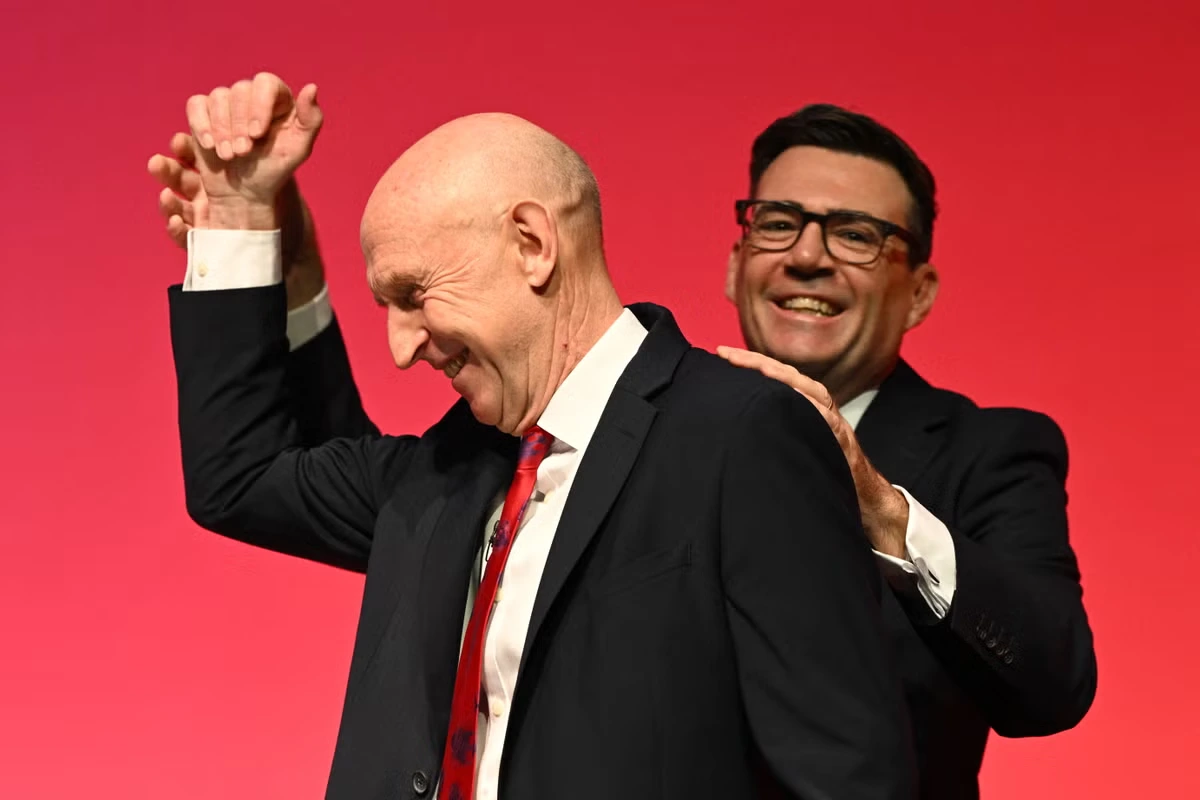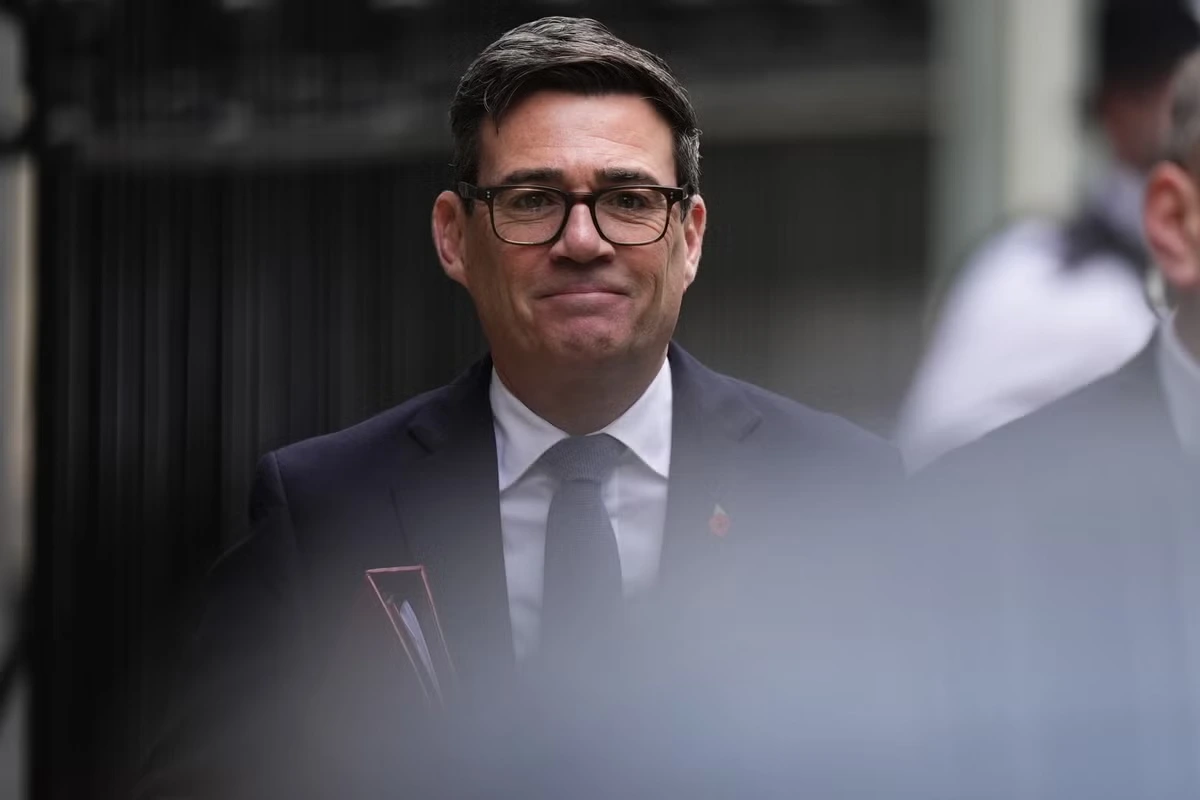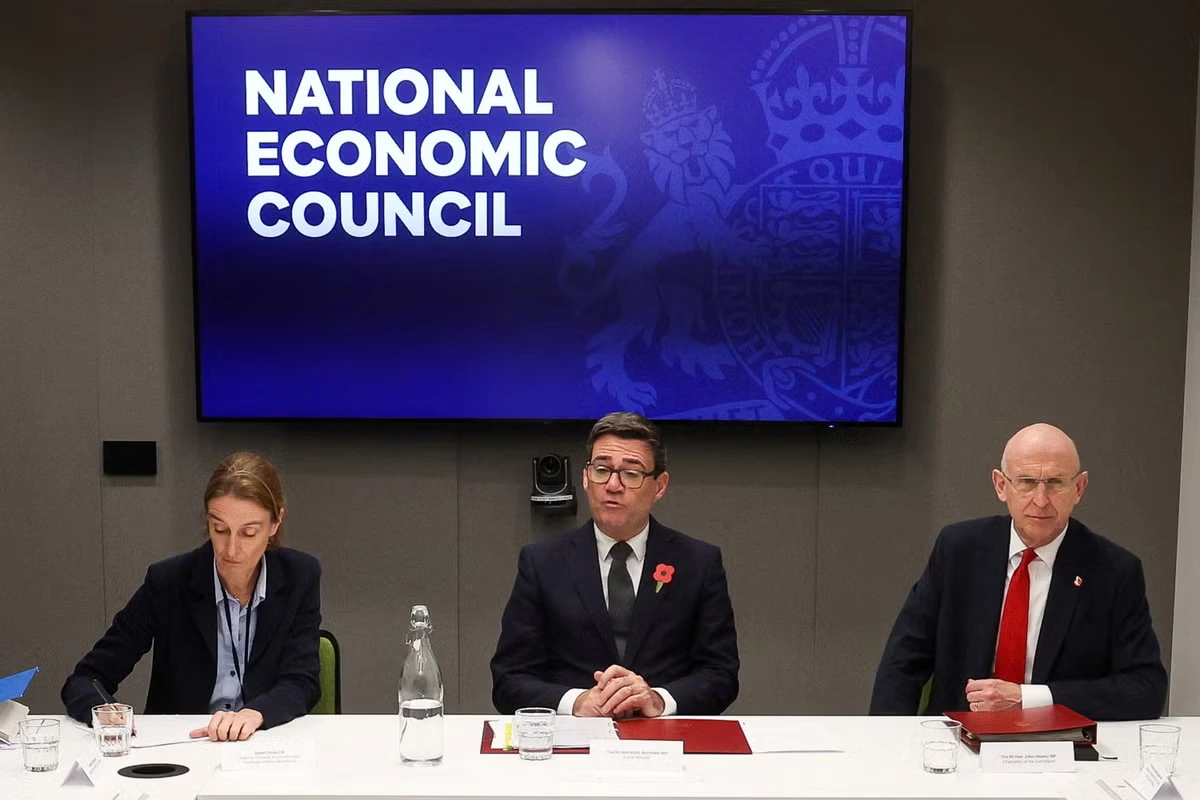
When the prime minister called for “honest discussions” on rejoining the European Union, he probably did not have in mind an open and very public split with his own chancellor of the Exchequer.
Yet, within days of Andy Burnham raising the question of restoring freedom of movement of workers between Britain and the EU – a central pillar of the European Union, and a condition for rejoining – John Healey is emitting very different vibes from those of his Downing Street neighbour.
Mr Burnham has said on more than one occasion that he would like to see the UK back in the EU within his lifetime. Perhaps only half-joking, Mr Healey quipped that “I’m older than Andy Burnham. I don’t expect to see that.”
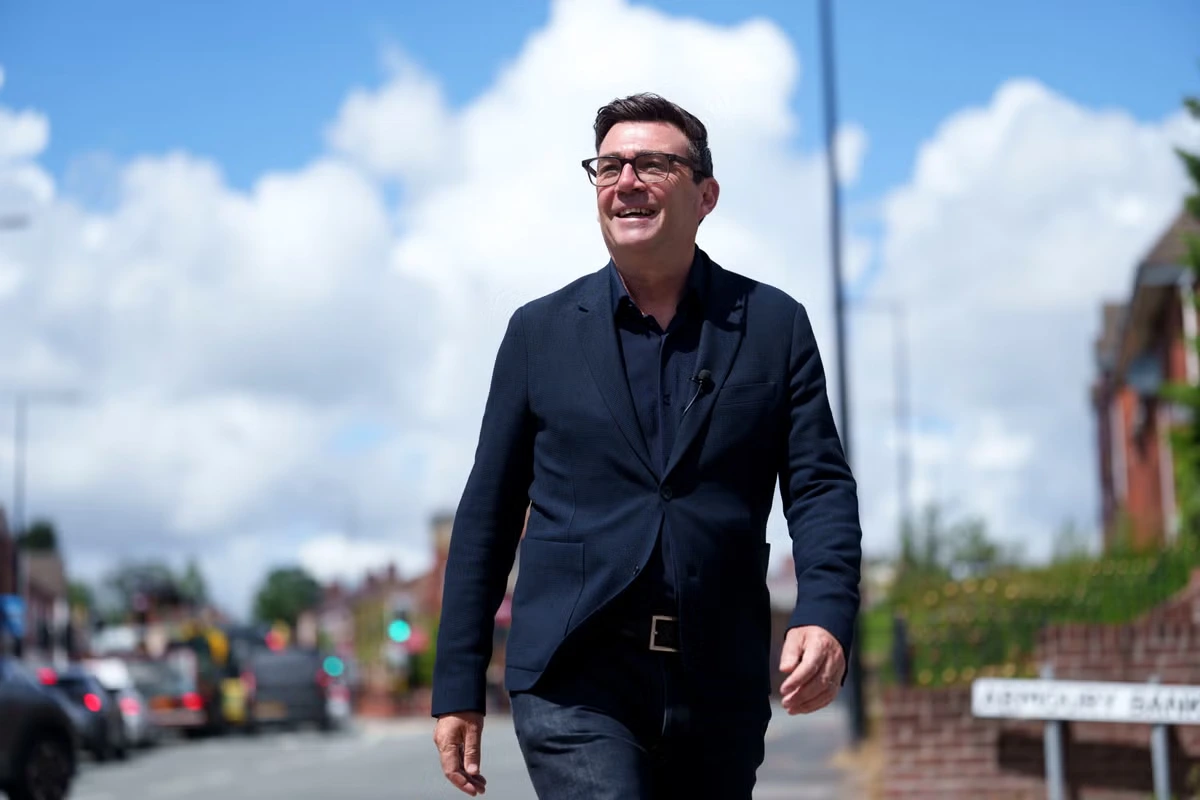
Mr Healey is, in fact, only 10 years’ senior to the prime minister – and, while out for a recent jog, appears to be in rude good health. A man of Mr Healey’s age, according to the Office for National Statistics, can expect to live for another 20 years – which means the UK will still be outside the European club of nations in 2046, by the chancellor’s reckoning. Mr Burnham might judge that too long to wait – it would certainly be beyond his likely span as premier.
Nor is this the first time Mr Healey has expressed a more sceptical view of prospects to his boss. He has even seemed disinclined to join in the “honest discussions” his boss was promoting.
He has denied that the UK would be growing faster if it was inside the EU, or even just the single market: “Well, I don’t actually accept that. I mean, it’s certain Brexit has certainly hit our level of growth. It’s certainly hit our level of trade. But we had a referendum. We’re out of the European Union. The challenge for me now is how do we make the best of an economy which this year has proved remarkably resilient. It’s confounded the forecasters.”
This does not augur well either for a meaningfully closer UK-EU relationship or, indeed, for the coherence of the government. History has proven time and again that any government in which the prime minister, formally First Lord of the Treasury, and the chancellor are fundamentally at odds on a central question of policy is, at best, dysfunctional and at worst doomed.
It is bad enough that the prime minister, so soon in his administration, finds himself being casually undermined by the man he just brought back onto the front bench with an enviable promotion; but others within Mr Burnham’s government are briefing similarly unhelpful views.
The home secretary, for example, has let it be known that she was furious to learn from the media about the prime minister’s desire to bring back freedom of movement, at a time when she is trying to drive difficult immigration reforms through in the face of resistance from her front-bench colleagues, let alone significant backbench dissent.
Freedom of movement would entirely upend Britain’s current post-Brexit points-based visa system, and also pose some challenging questions about the treatment of EU migrants who seek permanent residency, citizenship and their eligibility for in-work benefits, such as for children.
Labour MPs in the so-called Red Wall and more Eurosceptic areas of the country are suspicious about freedom of movement because it is so easily weaponised by Reform and the Conservatives into another row about immigration and jobs.
Cabinet members owe the prime minister their loyalty and have to accept collective responsibility. But it would make for a more collegiate atmosphere, which Mr Burnham says he wants to see more generally in politics, if the prime minister took more care to consult and persuade the most senior members of his team about his plans. On the basis of recent events, he would certainly be wise to do so with his 10-year plan, due in the coming weeks.
This is no way to run the government, and no way to bring Britain closer to Europe. The EU-UK summit next month is an example of success in that respect, extending the repair work carried out by Rishi Sunak and Sir Keir Starmer on the botched 2020 Brexit deal.
The new arrangements on farming, the European energy market, the youth mobility scheme and defence are all welcome and important. But the debate about a much more ambitious deal involving freedom of movement cannot be won in Britain unless the government, and the governing Labour Party, are united on the issue.
For Mr Burnham to prevail, he will first have to win the arguments with his own chancellor, home secretary and others – and show how freedom of movement will boost the economy and generate more jobs for all.
That is the lesson of the lost 2016 referendum. The hard work has not even begun.